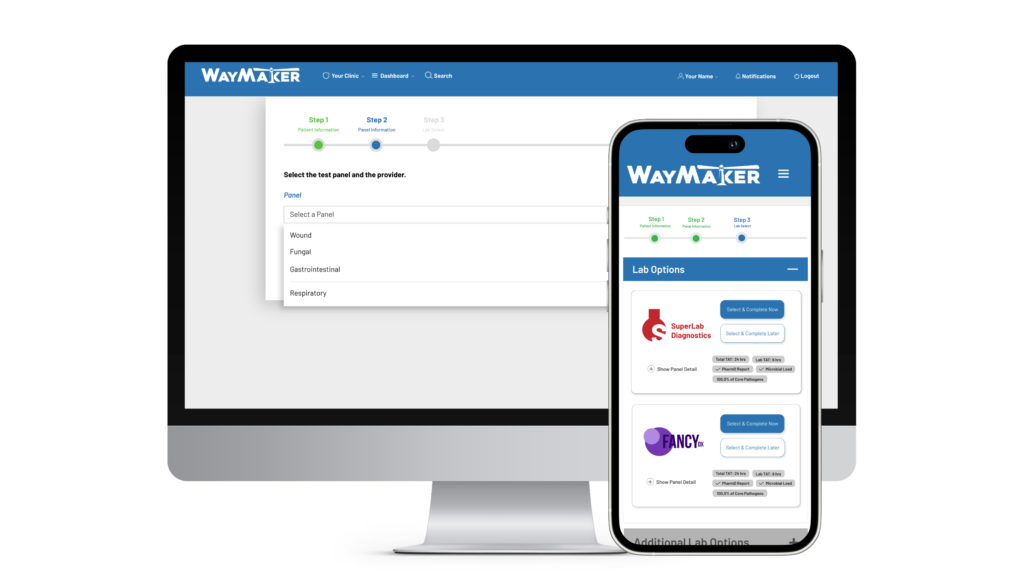
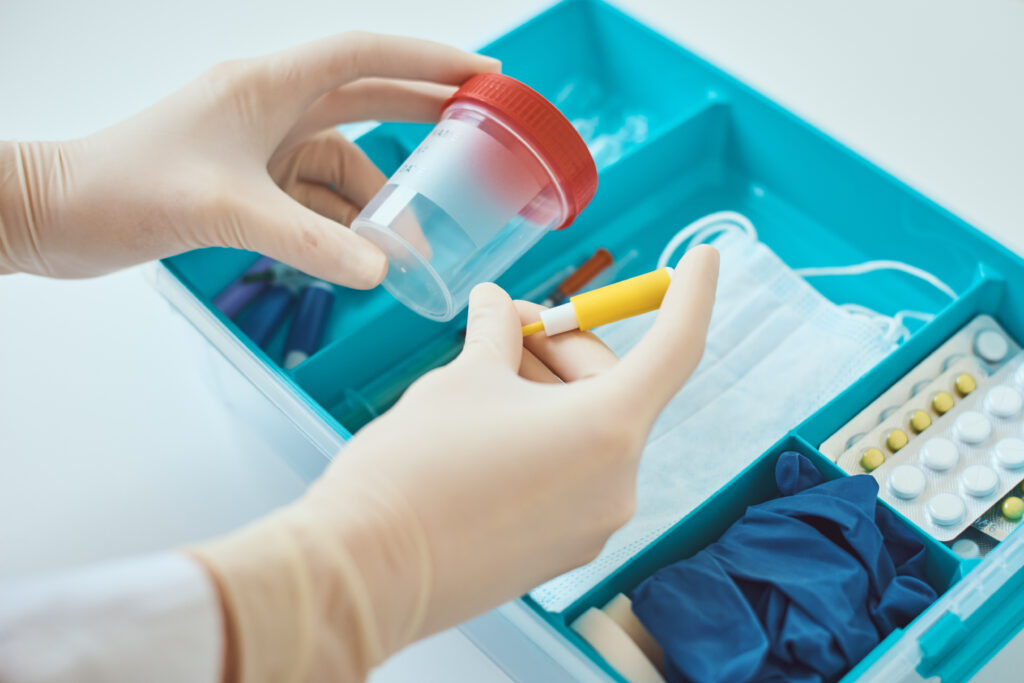
PCR testing across a broad range of diagnostic needs—delivered through one consistent workflow.
WayMaker partners with multiple PCR laboratories nationwide to support infectious disease and specialty diagnostics commonly used in outpatient, mobile, and private practice settings.
Common diagnostic areas supported through WayMaker.
The applications below represent common diagnostic areas supported through the WayMaker platform. Availability of specific panels may vary by lab and payer alignment, but the workflow remains consistent regardless of test type.
PCR is not new. What’s changed is how reliably clinics can access it—without guessing, switching labs, or managing multiple systems.
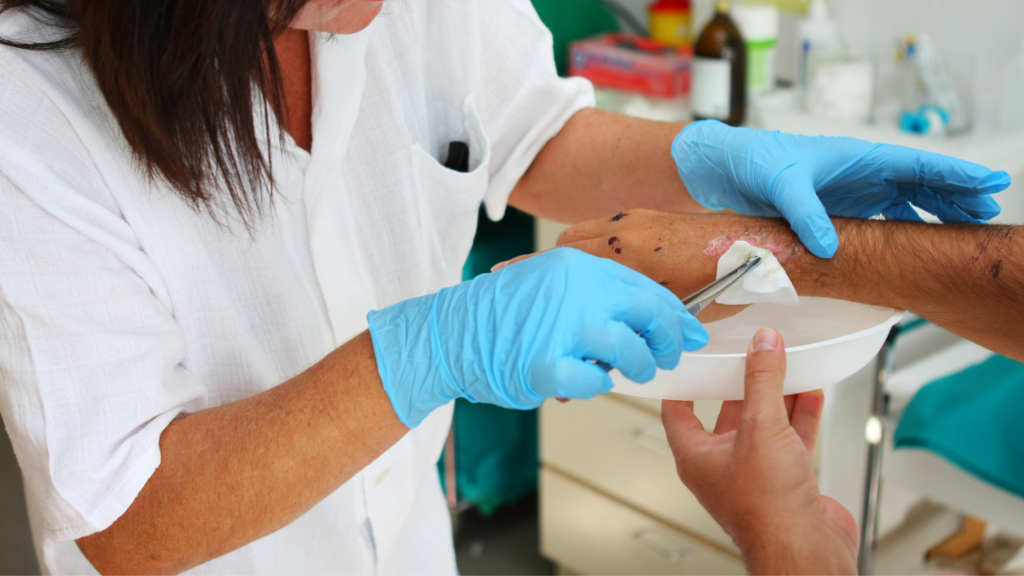
Wound & Chronic Infection Testing
Faster identification of complex wound pathogens.
Chronic wounds present unique diagnostic challenges due to impaired blood flow, polymicrobial infections, and biofilm formation. Traditional culture methods are often slow and may fail to capture the full microbial picture.
PCR testing enables faster identification of aerobic and anaerobic organisms commonly associated with chronic wounds. Results are typically available within 24–48 hours.
Clinical considerations supported:
Complex or non-healing wounds
Polymicrobial infections
Biofilm-associated organisms
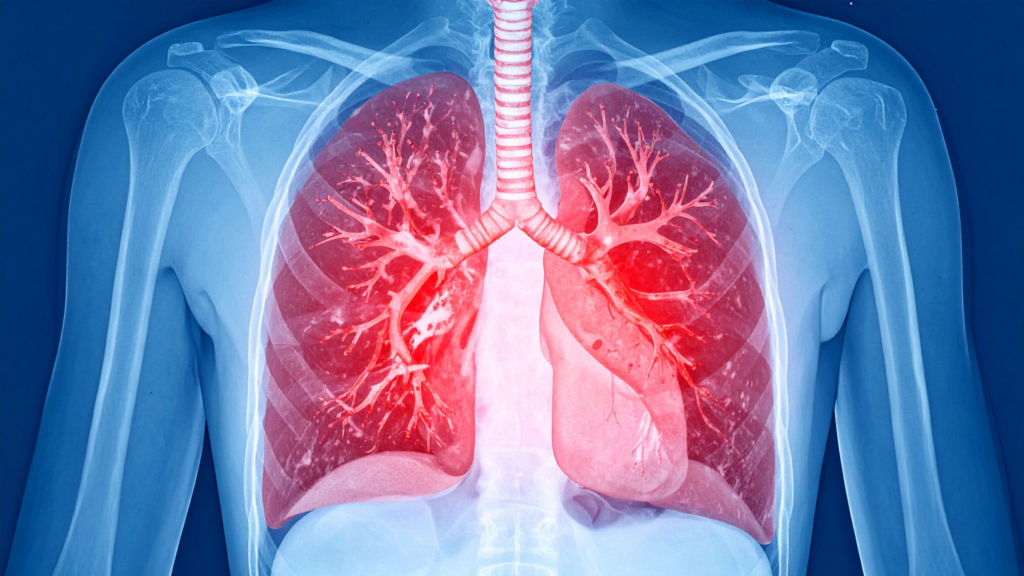
Respiratory Infections
Rapid and sensitive detection of respiratory pathogens.
Timely identification of respiratory pathogens is critical for appropriate treatment and antibiotic stewardship. Culture-based diagnostics may take days to yield results.
PCR testing allows for rapid and sensitive detection of respiratory pathogens that may be missed by traditional methods, supporting earlier diagnosis and more targeted therapy.
Clinical considerations supported:
Upper and lower respiratory tract infections
Atypical bacterial pathogens
Faster differentiation between bacterial causes
STI / STD Testing
High sensitivity for symptomatic and asymptomatic infections.
Many sexually transmitted infections are asymptomatic, making them difficult to identify using traditional culture methods alone. Limited sensitivity can delay diagnosis and increase the risk of transmission.
PCR testing offers high sensitivity for both symptomatic and asymptomatic infections, supporting earlier detection and timely treatment.
Clinical considerations supported:
Screening and diagnostic testing
Detection of asymptomatic infections
Improved sensitivity over culture
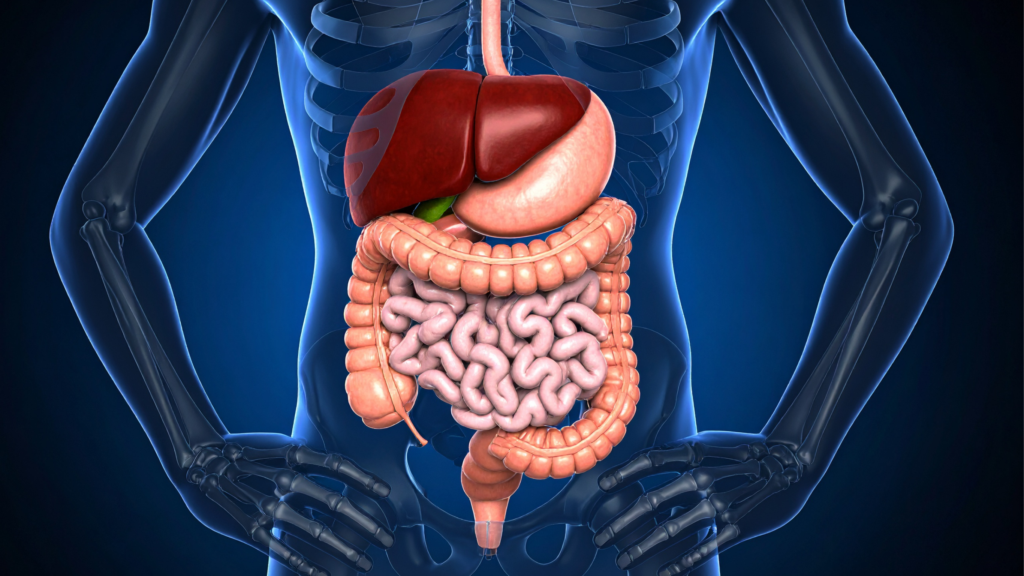
Gastrointestinal Pathogen Testing
Faster identification of common GI pathogens.
Delayed identification of gastrointestinal pathogens can have serious consequences, particularly in vulnerable populations or communal settings such as long-term care facilities.
PCR testing enables faster identification of common GI pathogens, supporting earlier intervention and reducing the need for extended diagnostic workups.
Clinical considerations supported:
Acute and persistent GI symptoms
Outbreak prevention and containment
Faster diagnostic clarity
Urinary Tract Infections (UTIs)
Improved detection sensitivity with resistance markers.
Traditional urine cultures may miss a significant portion of infections, particularly polymicrobial cases. Delayed or incomplete detection can slow treatment and contribute to recurrent symptoms.
PCR testing improves detection sensitivity and can identify resistance markers, supporting more informed treatment decisions within a shorter timeframe.
Clinical considerations supported:
Recurrent or persistent UTIs
Polymicrobial infections
Antimicrobial resistance awareness
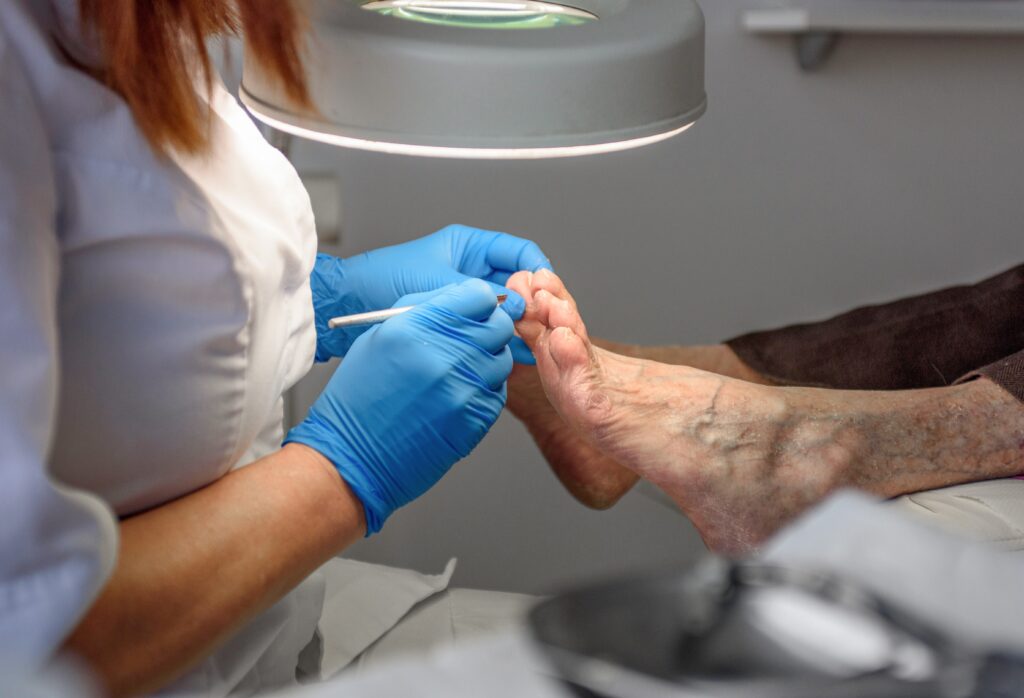
Nail, Skin, and Fungal Infections
Faster and more precise identification of fungal organisms.
Fungal cultures often require weeks to yield results and may lack sensitivity. This delay can prolong symptoms and postpone appropriate treatment.
PCR testing offers faster and more precise identification of dermatophytes and other fungal organisms, supporting earlier diagnosis and treatment planning.
Clinical considerations supported:
Nail and skin infections
Dermatophyte identification
Faster diagnostic turnaround
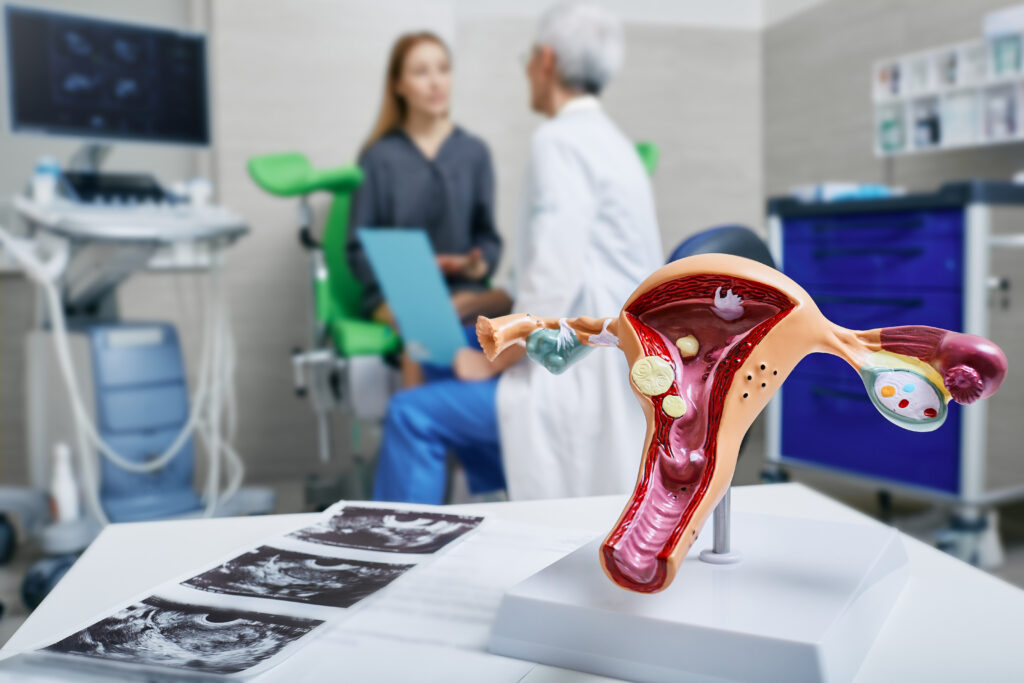
Women's Health Panels
Simultaneous detection of multiple organisms.
Women’s health diagnostics often require evaluation of multiple potential pathogens from a single sample. Traditional methods may be time-consuming and less sensitive, particularly in asymptomatic cases.
PCR testing enables simultaneous detection of multiple organisms, supporting comprehensive assessment and earlier treatment.
Clinical considerations supported:
Vaginal and reproductive health panels
Asymptomatic screening
Targeted treatment planning
Toxicology Testing
Accurate detection supporting patient safety and compliance.
Toxicology testing plays an important role in patient safety and regulatory compliance, particularly in clinics prescribing controlled substances.
PCR-based and molecular testing methods support accurate detection and monitoring while fitting into a consistent, repeatable workflow.
Clinical considerations supported:
Medication adherence monitoring
Risk mitigation for prescribers
Regulatory and compliance support
How WayMaker Supports These Applications
Consistency across clinical complexity.
Regardless of diagnostic category, WayMaker provides:
One Workflow
Consistent ordering process for every test type.
Insurance Routing
Insurance-aware lab matching before the order moves.
Centralized Results
All results delivered to one place with one contact.
Many PCR-based diagnostics benefit from expert interpretation. WayMaker integrates PharmD review and support to help providers translate results into confident next steps, particularly in complex or resistant infections.
Built to support care, not complicate it.
WayMaker exists to support modern diagnostics without adding operational burden. See how it works in your workflow.